DJI Osmo Pocket 3 Review (2025): Our Take + dji osmo pocket 3 reviews

By Ben Carter

9.3
Consumer's Best Score
Consumers Best Verdict: DJI Osmo Pocket 3 Highlights
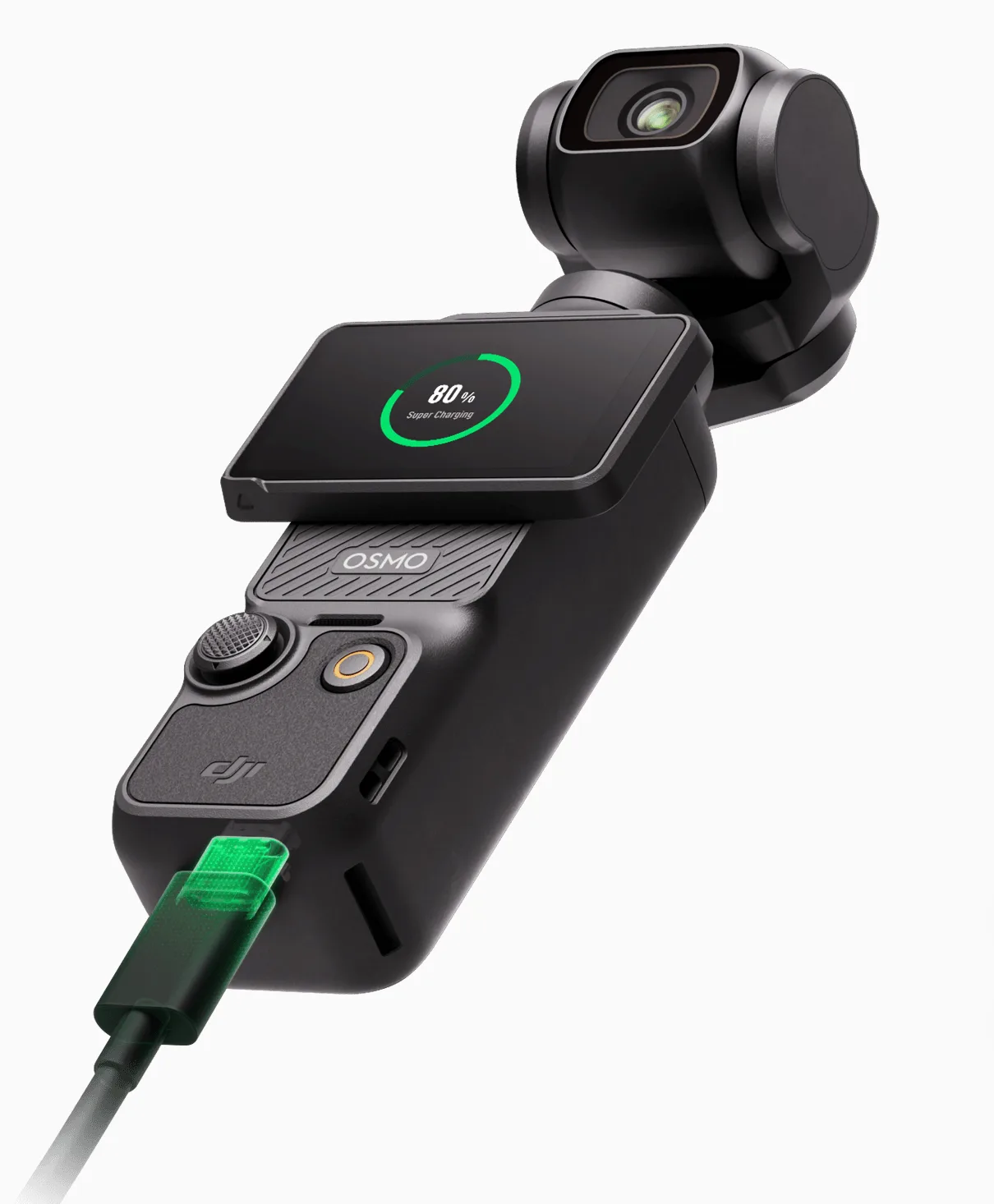
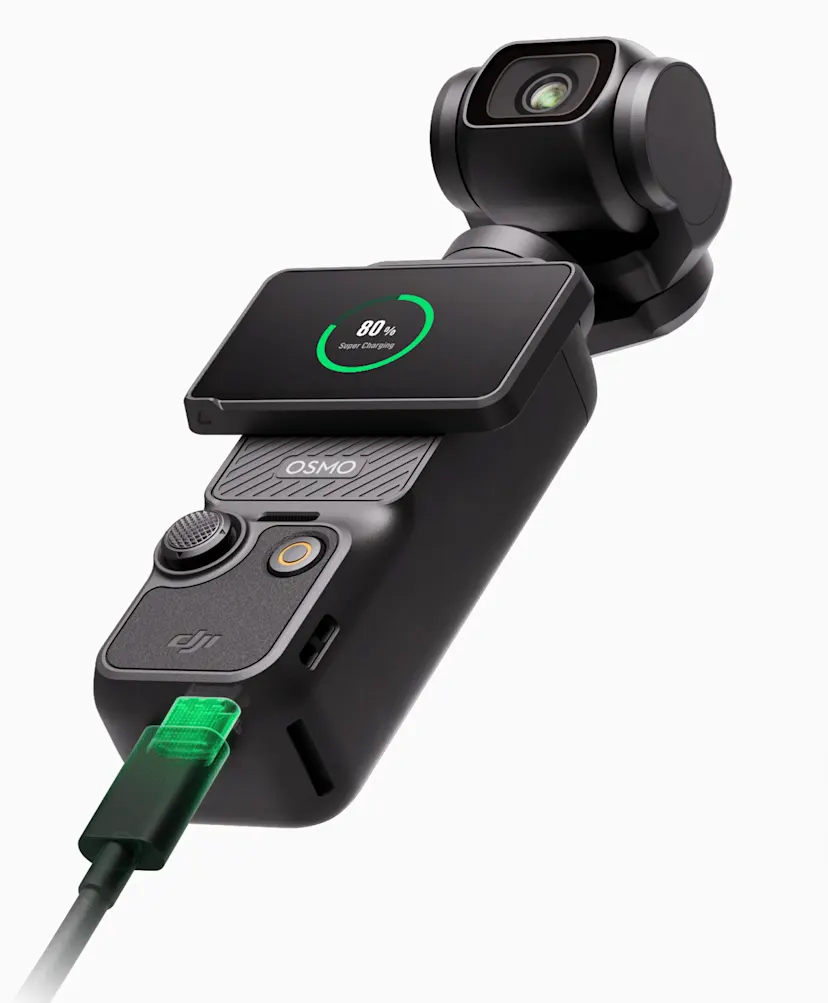
If you’ve been combing through dji osmo pocket 3 reviews in 2025, you’ve probably seen the same chorus: image quality is finally ‘big camera enough’ for most creators, and the rotating touchscreen plus vertical capture makes short-form a breeze. Add in reliable face tracking, surprisingly good mics (with easy upgrades), and fast USB-C charging, and you’ve got a grab-and-go rig that feels thoughtfully finished. It’s still a compact camera—so low light has limits and 4K/120 can get toasty—but for travel, vlogs, and family life, it’s a happy place.
Look, after weeks of shooting trips, coffee runs, and a couple of very wobbly boat rides, my takeaway is simple: the DJI Osmo Pocket 3 punches way above its size. That 1-inch sensor, paired with a real 3-axis gimbal, gives you footage that looks steadied and cinematic without fiddling. It’s not the cheapest toy in the bag, but man, it’s the one I actually bring. From a Consumer's Best point of view, the value-per-ounce is outstanding—and the everyday usability just clicks.
In-Depth Look: DJI Osmo Pocket 3 Features & Considerations
Core Features & Consumer Benefits
Here’s what stood out for me when actually living with it—bag pocket to publish, no studio safety net.
1-inch sensor + 10-bit profiles
Clean, detailed footage with real grading headroom; Night Shots look more natural than past Pocket models.
True 3-axis gimbal stabilization
Walk-and-talks look smooth without the floaty, software-only wobble phones can show.
Rotating 2-inch touchscreen with native vertical
Flip, frame, and post-ready 9:16 in seconds—short-form creators save time, period.
4K up to 120 fps and smart modes
Slow motion, Motionlapse/Hyperlapse, and panoramas keep your edits varied without extra gear.
Creator-friendly audio and app flow
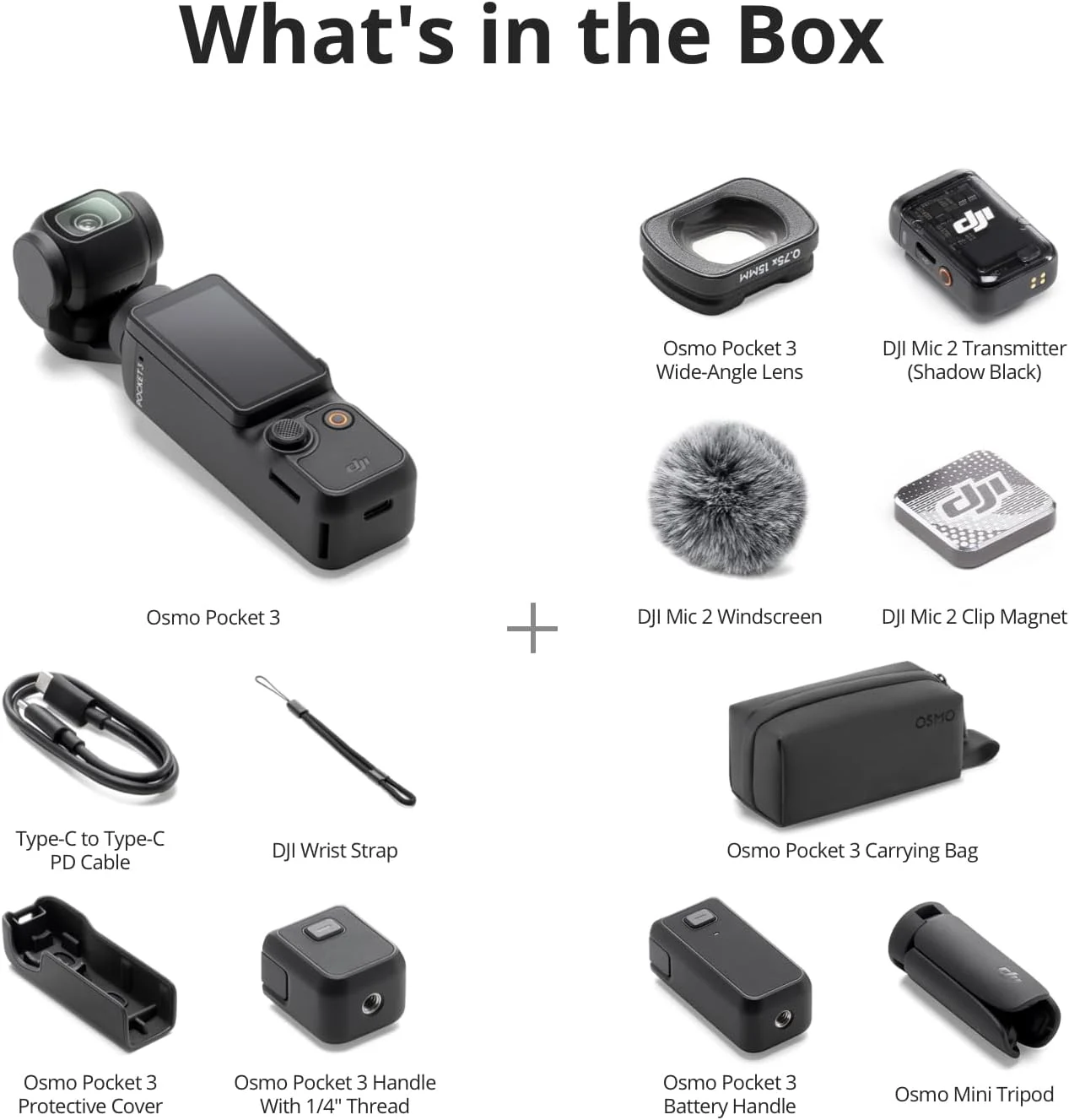
Solid onboard mics out of the box, easy pairing with DJI Mic options, and quick handoffs via the DJI Mimo app.
Important Considerations & Potential Downsides
- Price vs phone rigs
A premium over a smartphone + gimbal combo; you’re paying for that 1-inch sensor + pocketable all-in-one design.
- Low-light still has limits
Better than older Pockets, sure, but high ISOs can show noise and a touch of smoothing.
- Heat and file heft at 4K/120
Extended high-frame-rate clips can prompt thermal limits; you’ll also want fast, high-capacity microSD.
- Fixed lens and ecosystem costs
No interchangeable glass; ND filters, cases, and audio add-ons can stack up if you accessorize.
Who Is the DJI Osmo Pocket 3 Best For?
Travel vloggers and solo creators
Ultra-packable, stabilized 4K with good color so you don’t babysit settings while you explore.
TikTok/Reels-first storytellers
Flip to vertical, tap record, and you’re set—fast workflows win when trends move quickly.
Families and memory-keepers
One-hand operation, reliable face tracking, and better-than-phone stabilization for kids, pets, and big moments.
Run-and-gun documentary shooters
Discreet form factor, strong audio options, and motion tools that add polish without a crew.
YouTube hybrids and B‑roll hunters
Crisp 4K/60, usable 4K slow-mo, and motionlapses that stitch beautifully into any timeline.
Who Might Want to Explore Other Options?
- Budget-first beginners
A phone + compact gimbal can be cheaper if you’re okay trading sensor size and that ‘all-in-one’ simplicity.
- Cinematic purists
If you need interchangeable lenses, larger sensors, and pro log workflows on every shot, a mirrorless kit still wins.
- Action sports diehards
For heavy impacts and deep water, a true action cam with robust waterproofing is the safer bet.
- Long-form event shooters
If you’re rolling for hours, prioritize bigger batteries, active cooling, and full-size audio I/O.