Panasonic Lumix LX100 II Review (2026)

By Ben Carter

8.3
Consumer's Best Score
Consumers Best Verdict: Panasonic Lumix LX100 II Highlights
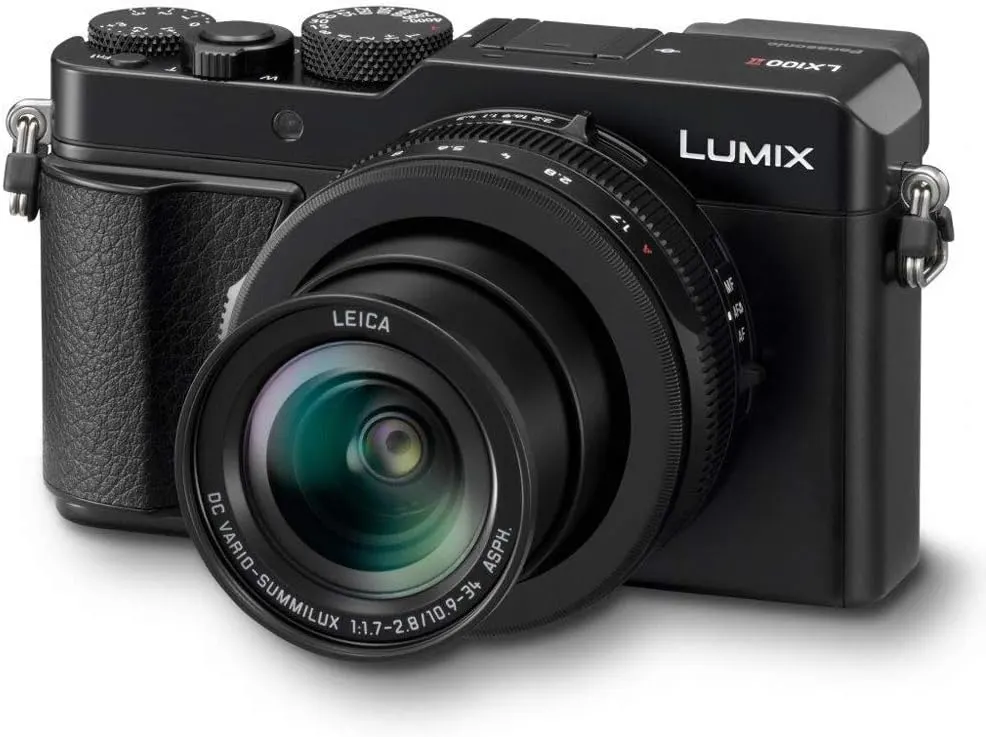
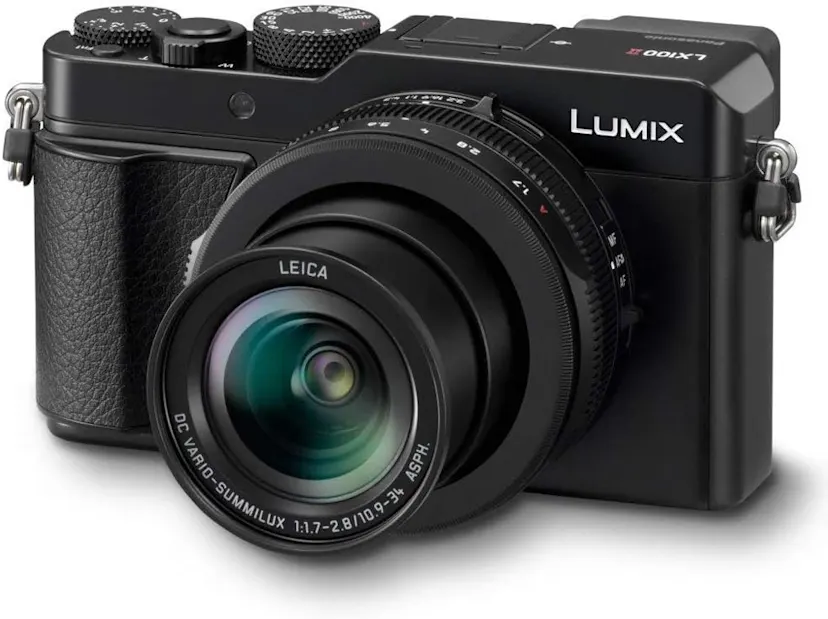
From Consumer's Best, my take is simple: the panasonic lumix lx100 ii remains a street-and-travel gem with standout image quality, multi-aspect shooting, and a built-in EVF that feels pro. Downsides? A fixed rear screen, older autofocus, micro-USB charging, and video specs that feel dated today. If you value photography-first ergonomics and image quality over bleeding-edge features, it’s an easy camera to love.
Look, the Panasonic Lumix LX100 II still has that special sauce in 2026. The fast Leica 24–75mm-equivalent f/1.7–2.8 lens and the big Micro Four Thirds–type sensor punch way above the camera’s compact size. Colors are pleasing, files are flexible, and the tactile controls make you want to shoot—always a good sign. It’s not the newest kid on the block, but it’s a small camera that consistently delivers big-camera images.
In-Depth Look: Panasonic Lumix LX100 II Features & Considerations
Core Features & Consumer Benefits
Here’s what actually matters in day-to-day shooting—because specs are great, but results and feel are what keep you reaching for a camera.
Fast Leica zoom, f/1.7–2.8
Bright glass means cleaner low-light shots, softer backgrounds, and lower ISOs. Translation: more keepers at dusk and indoors.
Large (for the size) Micro Four Thirds–type sensor
Better dynamic range and detail than most compacts, with Panasonic’s multi-aspect design preserving the field of view across 4:3, 3:2, and 16:9.
Classic, tactile controls + EVF
Aperture ring, shutter dial, and exposure comp dial make the LX100 II feel intuitive and fast. The built-in EVF is clutch in bright sun.
4K Photo tricks
Pre-burst and post-focus modes help nail fleeting moments and tricky focus scenarios. It’s clever—and yes, actually useful.
Pocketable body with solid stabilization
The lens’s optical stabilization helps steady handheld shots and video. Easy to carry, easy to trust.
Important Considerations & Potential Downsides
- Fixed rear screen
No tilt or flip. Tougher for low/high angles and vlogging.
- Video is behind the times
4K tops out at 30p, short clip limits, no mic/headphone jacks. Fine for casual clips, not for serious creators.
- AF is good, not great (by 2026 standards)
Single AF is snappy, but continuous/tracking isn’t class-leading for fast action.
- Aging I/O and stamina
micro-USB (no USB-C), modest battery life, and no weather sealing. Manageable—but worth knowing.

Who Is the Panasonic Lumix LX100 II Best For?
Street & travel shooters
Pocketable size, quiet operation, and a fast zoom that thrives from daylight to night walks.
Low‑light storytellers
The bright f/1.7–2.8 lens lets you keep ISO down and detail up when the lights drop.
Manual-control lovers
Aperture ring, shutter dial, and exposure comp make learning (and loving) photography feel natural.
Everyday documenters
Quick startup and 4K Photo modes help you snag the blink-and-you-miss-it stuff—kids, pets, street life.
Minimalists on the move
One tidy package, pro-leaning output. Toss it in a small bag and forget the lens shuffle.
Who Might Want to Explore Other Options?
- Vloggers and solo creators
You’ll likely want a flip screen, mic input, and 4K60—think Sony ZV-1 II or Canon PowerShot G7 X Mark III.
- Action and wildlife fans
Faster tracking AF and longer bursts matter—consider Sony RX100 VII or an APS-C mirrorless like Sony a6700.
- Weather-anywhere shooters
If you need sealing and ruggedness, look at higher-end mirrorless bodies with sealed lenses.
- USB‑C and modern I/O seekers
Prefer fresh connectivity and charging? Newer compacts or the Ricoh GR III/IIIx might fit better (fixed lens trade-off).