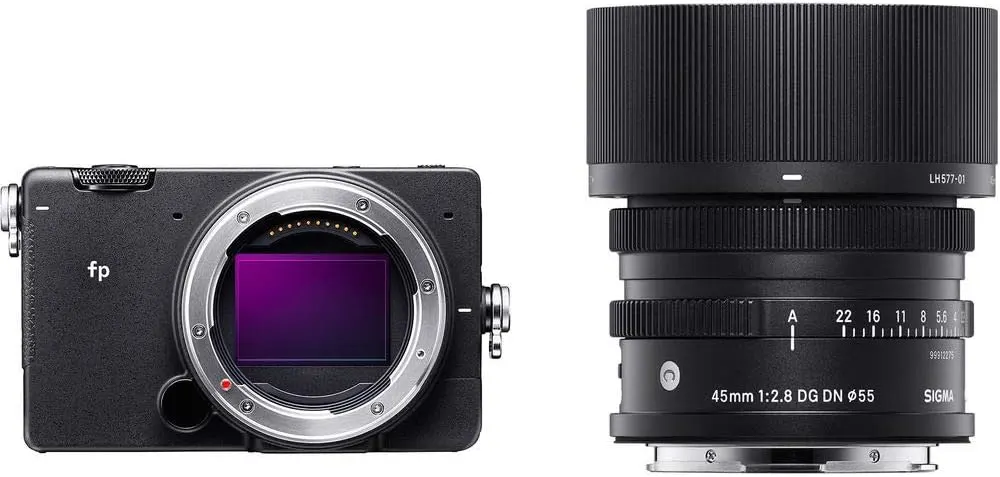
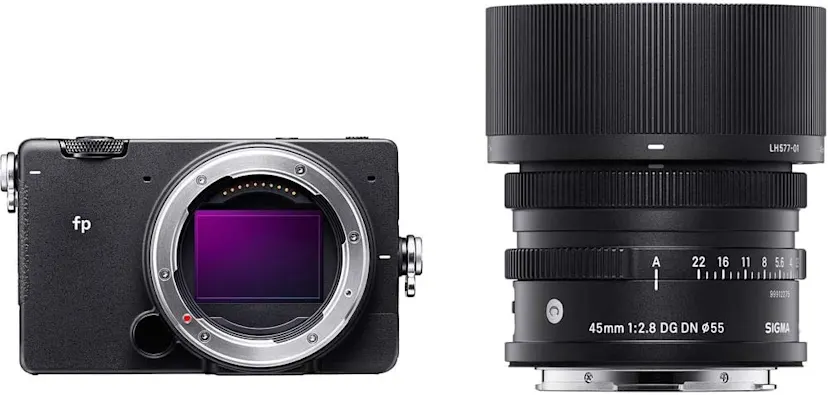
Sigma fp Review 2026: The Tiny Full‑Frame That’s Still a Filmmaker’s Secret Weapon

By Ben Carter
8.1
Consumer's Best Score
Consumers Best Verdict: Sigma fp Highlights
The fp’s modular design, USB‑C SSD recording, and lush color make it a legit tool for indie filmmaking, travel doc work, and discreet shoots. It’s not perfect: contrast‑detect AF, no IBIS, a fixed screen, and modest battery life mean you’ll want to plan your setup. But with thoughtful rigging, it delivers beautiful results and surprising durability. From Consumer's Best’s perspective, the value story is simple: know what it does brilliantly, and it can be a long‑term keeper.
If you’re here for a straight answer, here it is: the Sigma fp is still a fascinating little beast in 2026. It’s the smallest full‑frame mirrorless around, yet it punches way above its weight for video—especially if you want compact cinema‑style rigs and RAW workflows. In our sigma fp review, I kept thinking, this is the camera you grab when you need full‑frame look, flexible rigging, and a body that disappears on set—or on the street.
In-Depth Look: Sigma fp Features & Considerations
Core Features & Consumer Benefits
Here’s what stands out after living with the fp and putting it through a few real‑world shoots.
Featherweight, modular body
At under a pound, it rigs anywhere—cages, gimbals, car mounts, even drones—without feeling like you’re overbuilding.
Full‑frame look and pleasing color
Natural roll‑off and flexible color modes give footage a cinematic vibe right out of camera, with room to push in grading.
RAW and external SSD workflows
Record high‑bit‑depth CinemaDNG to a USB‑C SSD for robust latitude in post; it’s tidy, fast, and editor‑friendly.
Silent electronic shutter
For stills, it’s whisper‑quiet—perfect for set photography, ceremonies, or anywhere you can’t intrude.
L‑Mount ecosystem
Access excellent Sigma I‑Series primes, Panasonic zooms with OIS, and Leica glass—tons of creative options without adapters.
Important Considerations & Potential Downsides
- Autofocus is contrast‑detect only
Works fine for controlled shoots, but it hunts with fast action and low light; not ideal for run‑and‑gun AF reliance.
- No in‑body stabilization
You’ll lean on lens OIS, gimbals, or post stabilization—plan your rig accordingly.
- Fixed rear screen and no built‑in EVF
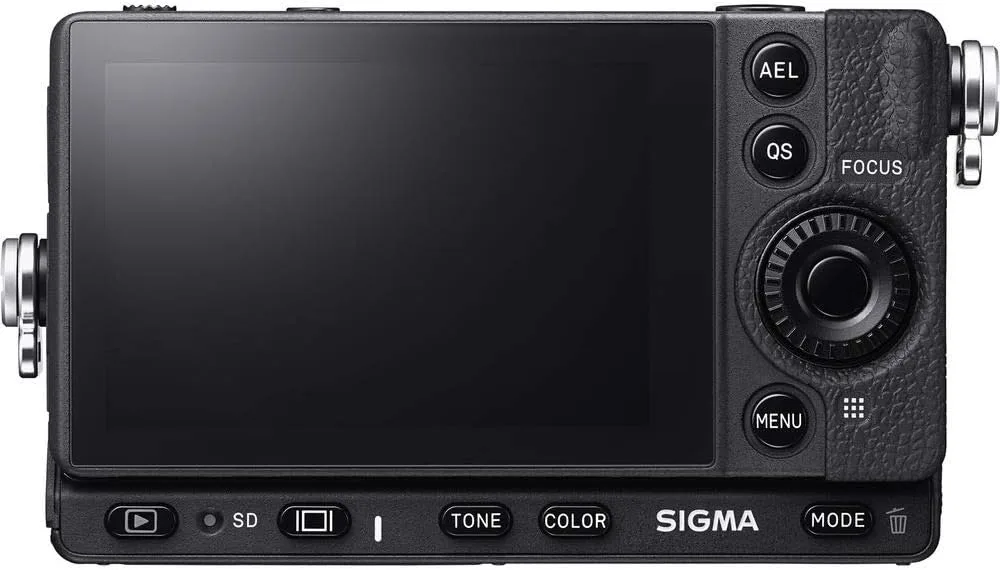
Outdoors, you’ll often want a loupe, external monitor, or the add‑on EVF to compose comfortably.
- Battery life and thermals
Small batteries drain quickly, and long RAW takes can warm things up—USB‑C power and sensible breaks help.
Who Is the Sigma fp Best For?
Indie filmmakers and small crews
You get a tiny full‑frame body that rigs beautifully and records robust files for a serious grade.
Travel and street shooters
Discreet size, silent shutter, and lovely color make it easy to blend in and still bring home premium images.
Gimbal, drone, and car‑rig operators
Low weight plus USB‑C SSD recording keeps builds lean, balanced, and reliable.
Colorists and post‑heavy workflows
CinemaDNG gives you deep latitude for looks; it’s a tinker’s dream in the grade.
L‑Mount lens owners
If you’ve got Sigma/Panasonic/Leica glass, the fp slides right into your kit without adapters or compromises.
Who Might Want to Explore Other Options?
- Action and wildlife shooters
If you live on fast, sticky AF and long bursts, a modern PDAF hybrid body will serve you better.
- Handheld video purists
No IBIS means you’ll need OIS lenses or a gimbal—if you want buttery handheld without rigs, look elsewhere.
- Bright‑sun shooters who hate add‑ons
The fixed screen and lack of EVF can frustrate; cameras with built‑in EVFs feel easier outdoors.
- High‑frame‑rate fans
4K frame rate limits and rolling shutter make the fp less ideal if you need 4K/60+ with minimal skew.